Certificate in Crisis Management
Certificate in Crisis Management
Build a structured understanding of crisis preparation, response and recovery with this Certificate in Crisis Management from eLearning College. This Level 3 course is designed for flexible online study and is suitable for learners who want practical knowledge of organisational crisis management without committing to a higher-level diploma.
The course covers six core areas, including crisis audits, response planning, emergency operations centres, emergency preparedness and organisational crisis management. You can study online over a listed period of 10 months, progress at your own pace and complete end-of-unit assessments as you work through the programme. To compare this certificate with other programmes, browse our online certificate courses.
The course itself is free to study. There are no formal entry requirements and the start date is ongoing. Optional certificates are available after successful completion for a separate fee; you do not need to purchase certification in order to complete the learning.
What Does This Crisis Management Certificate Cover?
This online crisis management training focuses on how organisations can prepare for disruptive events, organise a response and support recovery. The course introduces the principles behind crisis teams, crisis audits, incident management, risk management and physical security, while keeping the learning grounded in organisational decision-making.
This certificate is a lower-level and shorter study route than our Level 5 Online Crisis Management Course. The Level 5 diploma includes additional study in risk and security management, crisis and security management, and a wider set of learning outcomes. Choose the Level 3 certificate if you want a more focused introduction to the subject.
Understanding Crisis Audits and Response Planning
A crisis audit is used to examine where an organisation may be vulnerable and what resources, procedures or communication arrangements are already in place. The course introduces this concept before moving into response planning, helping learners understand why effective crisis management begins before an incident occurs.
Response planning then considers how responsibilities can be organised when disruption happens. This may include identifying who should make decisions, how information should be shared and how teams can coordinate activity under pressure. The course approaches these topics from a general organisational perspective rather than as sector-specific emergency-response instruction.
Emergency Operations and Preparedness
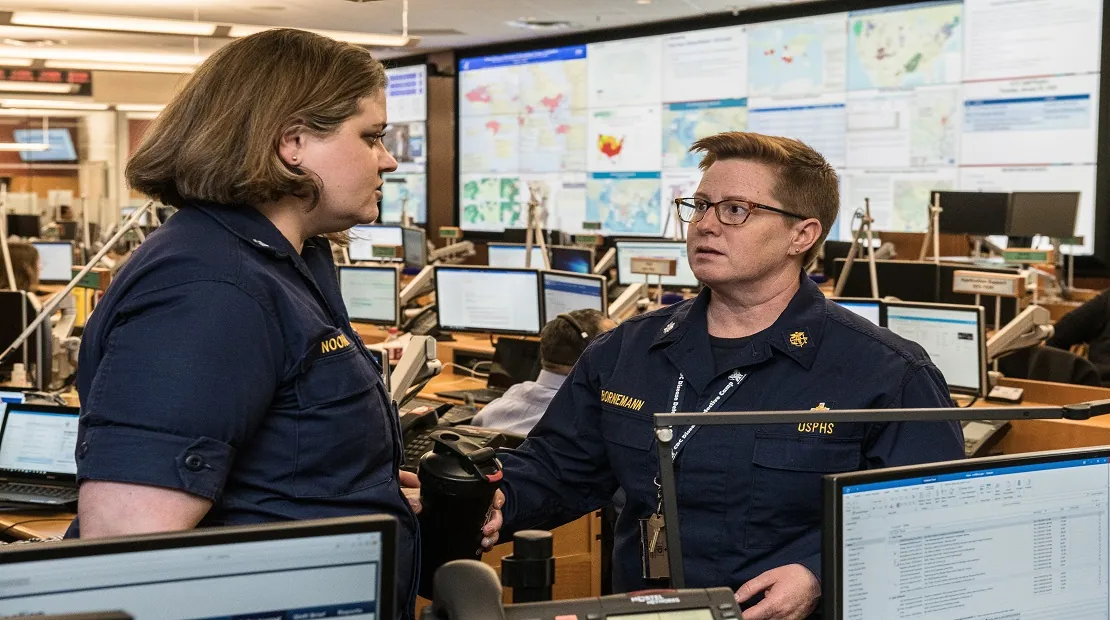
The programme also examines the purpose of an emergency operations centre and the role of preparedness. Learners are introduced to the idea of coordinating information, people and decisions during a disruptive event, along with the importance of having arrangements in place before they are needed.
For learners who want to explore the wider relationship between risk, resilience and organisational controls, our Risk Management course category provides additional programmes across risk-management topics.
Crisis Management and Human Behaviour
crisis management and human behaviour course content is relevant because people do not always respond to pressure in the same way. During a crisis, uncertainty, stress and limited information can affect communication and decision-making. The programme helps learners consider why clear roles, planned communication and coordinated responses matter when an organisation is under pressure.
This is general educational content and should not be treated as psychological, medical or clinical training. Serious mental-health or trauma-related concerns require appropriately qualified professional support.
Who Is This Course Suitable For?
The programme has no formal entry requirements and may be suitable for learners who want an intermediate introduction to managing crisis situations. It may be relevant to:
- Aspiring managers and supervisors;
- Team leaders;
- HR professionals;
- Staff involved in organisational resilience or continuity;
- People working in operational, security or health-and-safety environments;
- Learners who want to understand crisis preparation before moving to more advanced study.
Suitability should be judged against your own role and responsibilities. Some occupations and sectors have mandatory emergency, safety, security or continuity requirements that this general course does not replace.
How Online Study Works
Study is delivered online and the course duration is 10 months. The programme is self-paced, so learners can organise study around work, family or other commitments rather than attending scheduled classroom sessions. The start date is ongoing.
Learners complete an end-of-unit assessment as they progress through the course. Learning materials are provided online. If you are new to digital study, our guide to how eLearning works explains the practical features of online learning.
Assessment
Assessment takes place throughout the programme. Learners complete an end-of-unit assessment before progressing, allowing understanding to be checked in stages.
Choosing Between the Certificate and Diploma
The Level 3 certificate and Level 5 diploma cover related crisis-management themes, but they are not the same programme. This certificate contains six course areas and is listed over 10 months. The Level 5 diploma contains eight areas and has a 12-month listed duration.
If you want a focused introduction to crisis preparation, audits, response processes and emergency preparedness, this certificate may be the more appropriate choice. If you want broader study that adds dedicated risk and security-management content, the Level 5 diploma provides the more extensive route.
Start Your Certificate in Crisis Management
Study online at your own pace, work through six focused areas of crisis management and complete assessments as you progress. With no formal entry requirements, free study access and optional paid certification, the course offers a practical way to build structured knowledge of crisis preparation and organisational response.
Learning Outcomes
By the end of this course the learner will be able to:
- Understand what is crisis management?
- Discuss how to develop crisis management team in your organization
- Discuss how to conduct a crisis audit
- Determine how to manage incidents
- Help their team recover from a crisis
- Discuss how to apply the process
- Define risk and risk management
- Describe the COSO ERM cube and ISO 31000
- Describe the 7 R’s and 4 T’s that form the framework of risk management activities
- Determine the appropriate response to risks and create a plan for those responses
- Describe the key components of reporting, monitoring, and evaluation of a risk management program
- Discuss the various different types of physical security systems and safeguards
Certification
Free Study and Optional Certification
There is no charge to study this course. After successful completion, you may choose to order an optional certificate if you want formal evidence of your learning. Available options include a CPD Accredited Certificate and a certificate endorsed by the Quality Licence Scheme.
Certification is not included automatically with free study, and you do not need to buy a certificate to complete the course. Certificate options and fees may change, so review the current certificate information and pricing before ordering.
These optional certificates provide evidence of course completion or continuing professional development. They are not regulated qualifications, professional licences or statutory registrations.
HOW IT WORKS
Explore engaging course materials designed to build useful knowledge and practical understanding.
Complete each end-of-unit assessment as you progress, studying whenever it suits you.
Finish your course successfully and order an optional certificate or diploma separately.
MAKE YOUR CERTIFICATE COUNT

An optional certificate provides a clear record of your completed learning. Add it to your portfolio or share it whenever relevant.
Completing the course and its assessments reflects motivation, consistency and a genuine commitment to developing your knowledge.
Use your learning as a foundation for further study, workplace development or personal goals. Certification records course completion but does not guarantee employment or professional status.