Diploma in Interior Design
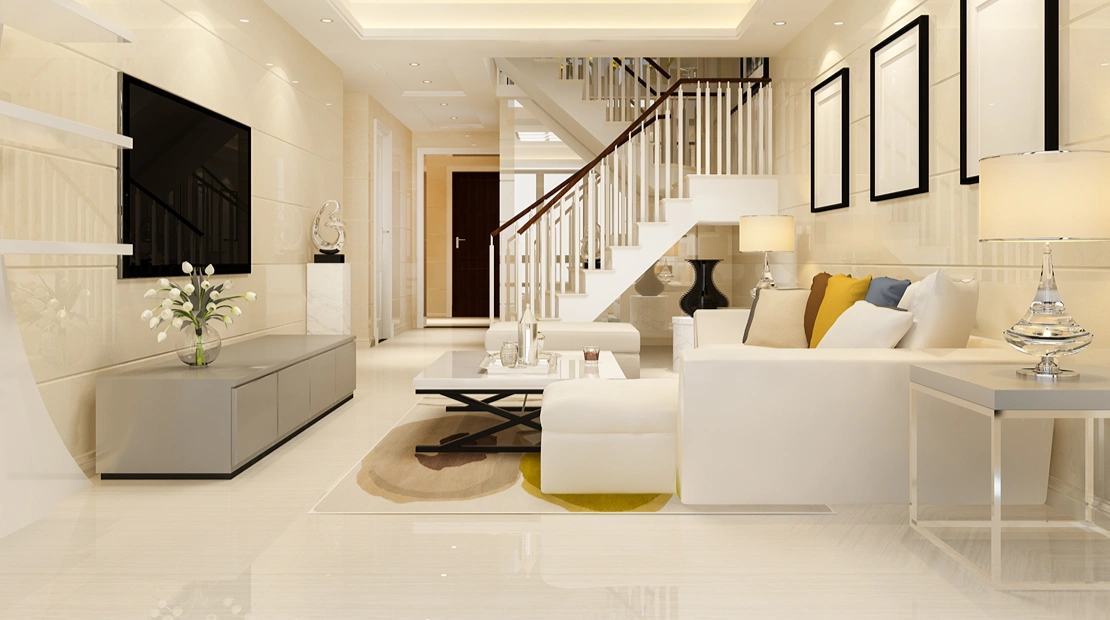
Interior Design Diploma Course Online
Build practical creative knowledge with eLearning College through our free-to-study Level 5 Interior Design Diploma Course. This flexible online programme introduces the principles, processes and professional considerations involved in planning attractive, functional and well-organised interior spaces.
You can compare this programme with our wider free online course collection and explore the full range of free interior design courses. The diploma is designed for learners who want broader coverage than a short introductory course or Level 3 certificate, while still studying online at a pace that fits around existing commitments.
The course is suitable for beginners, creative learners and people who want to strengthen their understanding of interior design before deciding on further study, freelance work or another professional pathway. It covers the role of the interior designer, design principles, spatial planning, room elements, project phases and the basics of starting an interior design business.
Who Is This Diploma For?
This Interior Design Diploma Online may be a good fit if you want a structured introduction to the creative and practical side of interior design without committing to classroom-based study. It can also suit learners who already have an interest in interiors and want a broader course than an introductory short programme.
- Beginners exploring interior design for the first time.
- Creative learners who want to understand professional design principles.
- People considering freelance or self-employed work in the future.
- Learners who want to strengthen their understanding of space planning and room design.
- Anyone who prefers flexible, self-paced online learning.
How This Level 5 Diploma Differs from Other Interior Design Courses
eLearning College offers three interior design study options with different levels of depth. Choosing the right course depends on how much detail you want and where you are starting from.
If you want a shorter starting point, you can begin with our introductory Interior Design Short Course. If you prefer an intermediate option, compare the Level 3 Certificate in Interior Design. The Level 5 diploma remains the broadest of the three published interior design programmes.
Flexible Online Study
The course is delivered online and has an ongoing start date. There are no entry requirements, so you can begin without a formal prerequisite. The course duration is three months, while the online format gives you the practical convenience of studying from home around work, family and other responsibilities.
If you are new to online learning, our guide to eLearning can help you understand how flexible digital study works and what to expect from self-paced learning.
Assessment and Progression
The course uses end-of-unit assessments. You work through the supplied learning materials and complete each assessment as you progress. After successfully completing the course in full, you can choose whether to request an optional certificate or diploma as evidence of completion.
Interior Design as a Practical Skill
Interior design combines creative judgement with practical planning. A strong scheme needs to look considered, but it also needs to support how a space is used. That means thinking about movement, proportion, lighting, colour, surface finishes and the relationship between furniture and available space rather than treating decoration as a separate exercise.
For a closer look at one of these core areas, explore our guide to space planning in interior design, which explains how layout, circulation and furniture placement affect the usability of a room.
Thinking About a Career in Interior Design?
A diploma can help you build knowledge, but it does not by itself guarantee employment or professional recognition. Requirements vary by employer, location and type of design work. If you are exploring the profession, our guide to interior designer jobs and career pathways provides a broader overview of typical responsibilities, work environments and common routes into the field.
Frequently Asked Questions
What is the Interior Design Diploma Course?
The Interior Design Diploma Course from eLearning College is a free-to-study Level 5 online programme that introduces the principles and practical processes behind successful interior spaces. It covers professional design practice, visual principles, room planning, project development and the basics of starting an interior design business.
Is the Level 5 Interior Design Diploma free to study?
Yes. You can study the full online diploma without paying tuition fees. An optional certificate or diploma documenting successful completion is available separately for a fee. Purchasing certification is not required to finish the learning programme.
Do I need previous interior design experience to enrol?
No. The course has no formal entry requirements, making it accessible to beginners as well as people who already have an interest in interiors. Curiosity about creative design, a willingness to study and an interest in how rooms function will help you make the most of the materials.
How long does the online Interior Design Diploma take?
The course duration is three months. Learning is delivered online, so you can organise study sessions around work, family and other commitments. Your individual progress will depend on the time you devote to reading the materials and completing unit assessments.
What will I learn during the Interior Design Diploma?
The six units introduce the interior design profession; key principles including balance, proportion and scale; colour, lighting and surface finishes; circulation and furniture arrangements; phases of a design project; and considerations involved in establishing an interior design business. Together, these topics build a broad foundation in planning coherent and functional spaces.
Does the course cover room layout and space planning?
Yes. The course explores how orientation, circulation, zoning and the placement of fixtures and furniture affect the way a room works. This helps learners consider practical movement, comfort and function alongside visual appeal when developing an interior scheme.
Will I learn about colour schemes, lighting and materials?
Yes. Course content considers colour schemes, lighting, walls, ceilings and flooring as elements of interior design. You will learn how these choices contribute to atmosphere, visual consistency and the everyday usability of a room.
How is the Interior Design Diploma assessed?
The course uses end-of-unit assessments. Learners work through the online materials and complete an assessment as they progress through each unit. Successful completion of the course and its required assessments is the basis for requesting optional evidence of completion.
Will I receive an interior design certificate after completing the course?
Certification is optional and is not automatically included with free study. After successful completion, learners may choose to order an available CPD Accredited Certificate or a certificate endorsed by the Quality Licence Scheme, subject to the provider’s current options and fees. These awards document learning; they are not regulated qualifications or professional licences.
Can I study the diploma online from home?
Yes. The programme is delivered online and offers an ongoing start date. You can access the learning materials remotely and arrange study around your existing commitments, rather than attending scheduled classroom sessions.
Start Your Interior Design Diploma Online
If you want to develop a broader understanding of interior design through flexible online study, this Level 5 diploma brings together the profession, design principles, room elements, project phases and business basics in one structured programme. You can start at any time, study online and complete the course without paying tuition fees.
Explore the syllabus, begin with Unit 1 and progress through the course at a pace that works for you.
Learning Outcomes
By the end of this Course the learner will be able to:
- What professional interior designers do and how the profession is structured.
- The main considerations that shape a coherent interior design scheme.
- Core principles such as unity, balance, proportion, scale, rhythm and emphasis.
- How space affects orientation, circulation, zoning and furniture or fixture arrangements.
- How design programmes and concepts can respond to spatial problems.
- How colour, lighting, walls, ceilings and flooring contribute to an interior scheme.
- The role of design analysis, drawing and presentation skills in communicating ideas.
- Key considerations involved in starting an interior design business and developing a professional portfolio.
Certification
Free Study and Optional Certification
There is no charge to study this course. After successful completion, you may choose to order an optional certificate if you want formal evidence of your learning. Available options include a CPD Accredited Certificate and a certificate endorsed by the Quality Licence Scheme.
Certification is not included automatically with free study, and you do not need to buy a certificate to complete the course. Certificate options and fees may change, so review the current certificate information and pricing before ordering.
These optional certificates provide evidence of course completion or continuing professional development. They are not regulated qualifications, professional licences or statutory registrations.
COURSE CONTENT
Begin by exploring interior design as a profession and the role of the professional interior designer. This unit establishes the context for the course by considering what interior designers do, the different aspects of the profession and the main factors that need to be considered when developing a design scheme.
This unit focuses on the principles that help an interior feel coherent and visually balanced. You will examine unity, balance, proportion, scale, rhythm and emphasis, and consider how these principles influence decisions about space, layout and the overall character of an interior.
Explore the individual elements that bring an interior scheme together. The learning outcomes for this stage include colour schemes and lighting, together with the contribution of walls, ceilings and flooring. The emphasis is on understanding how these elements influence atmosphere, usability and visual consistency.
Develop your understanding of space and how a room functions in practice. This unit considers orientation, circulation, inter-zoning and the arrangement of fixtures and furniture, helping you think more carefully about how people move through and use an interior.
Follow the development of an interior design project from early analysis through the communication of ideas. The learning outcomes include design analysis, drawing skills and presentation skills, giving you a clearer picture of how concepts are developed, refined and presented.
The final unit introduces the commercial side of interior design. You will consider the advantages and disadvantages of starting an interior design business and explore the importance of developing a professional, competitive portfolio that presents your skills and design thinking clearly.
Student Feedback
undefined undefined
good
HOW IT WORKS
Explore engaging course materials designed to build useful knowledge and practical understanding.
Complete each end-of-unit assessment as you progress, studying whenever it suits you.
Finish your course successfully and order an optional certificate or diploma separately.
MAKE YOUR CERTIFICATE COUNT

An optional certificate provides a clear record of your completed learning. Add it to your portfolio or share it whenever relevant.
Completing the course and its assessments reflects motivation, consistency and a genuine commitment to developing your knowledge.
Use your learning as a foundation for further study, workplace development or personal goals. Certification records course completion but does not guarantee employment or professional status.