Diploma in Public Speaking
Diploma in Public Speaking
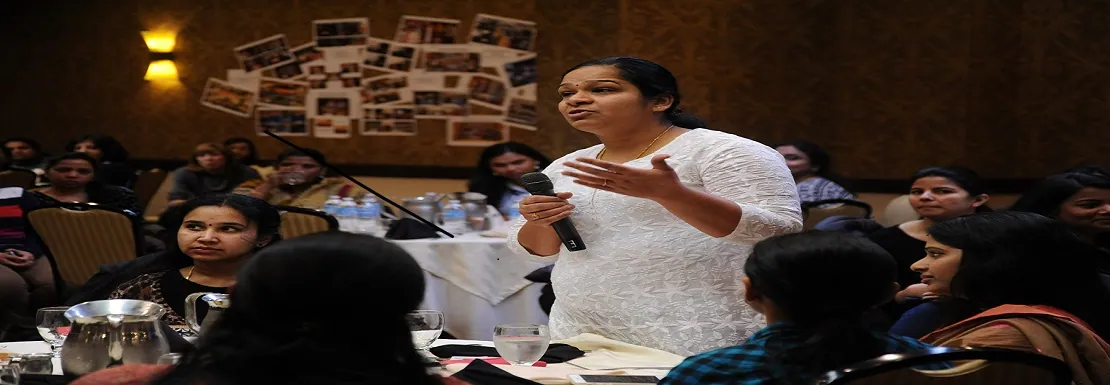
eLearning College offers this Level 5 Diploma in Public Speaking for learners who want to develop a more structured understanding of spoken communication, audience engagement, presentations and confidence in different speaking situations. The course is studied online over 12 months, has no formal entry requirements and can be started on an ongoing basis.
Public speaking is not limited to formal speeches. The course also considers one-to-one conversation, listening, interpersonal communication, presentation delivery and speaking under pressure. Course study is free, while optional certification is available separately for a fee after successful completion.
About the Diploma in Public Speaking
Effective speaking involves more than projecting your voice or memorising a presentation. A speaker needs to consider the audience, organise information, listen and respond appropriately, manage nervousness and communicate with a level of confidence that suits the situation.
This diploma approaches public speaking as a broader communication skill. It combines preparation and presentation with interpersonal communication, active listening and techniques for handling pressure. That wider scope distinguishes it from a narrow presentation-skills course.
Developing Confidence in Public Speaking
Confidence is usually strengthened through preparation and repeated practice rather than through a single technique. Knowing the purpose of your talk, understanding the audience and organising your main points can reduce uncertainty before you begin.
It can also help to practise in stages: first becoming comfortable with the content, then rehearsing delivery and finally considering how you will respond if you lose your place or receive an unexpected question. The course provides ideas you can use as part of that continuing practice.
Public Speaking and Active Listening
Listening is particularly important when public speaking includes questions, discussion or interaction. Active listening helps you understand what another person is actually asking instead of responding to an assumption. It can also make conversations and meetings feel more balanced.
The course therefore treats listening as part of effective communication rather than as a separate skill. This helps distinguish genuine audience engagement from one-way delivery.
Who Is This Course For?
The Diploma may suit learners who feel uncomfortable speaking in front of others, people who regularly contribute to meetings or presentations, and anyone who wants a more structured way to study spoken communication.
It may also be useful for managers, team members, business owners and learners whose roles involve explaining ideas to other people. Completing the course does not guarantee a particular job or professional outcome.
How Online Study Works
You can study the programme online around work, family and other commitments. The 12-month duration provides a framework for the course while the online format allows you to organise your learning without classroom attendance.
Our eLearning guide explains flexible online study in more detail. You can also browse the full collection of free online courses if you want to compare Public Speaking with other communication or management subjects.
Assessment
Course learning is supported by end-of-unit assessment as you progress. Use the assessments to check your understanding of the concepts covered and identify topics that may benefit from further review.
Public Speaking or Presentation Skills?
Presentation skills focus particularly on planning and delivering structured presentations. Public speaking is broader and can include speeches, meetings, social speaking, conversation and communication under pressure. This course covers presentation delivery but places it within that wider public-speaking context.
Frequently Asked Questions
Is the Public Speaking course free?
Yes. The Diploma is free to study. Optional certification is available separately for a fee.
What level is the course?
The Diploma in Public Speaking is listed at Level 5.
How long is the course?
The published duration is 12 months.
Do I need previous public-speaking experience?
No formal entry requirements are listed.
Does the course cover nervousness?
Yes. Controlling nervousness is one of the course topics, and the learning outcomes include techniques for reducing nervousness and fear.
Does it include presentation skills?
Yes. The course includes preparing, practising and delivering a short presentation as part of its wider public-speaking content.
Will the course make me a confident speaker immediately?
Confidence develops through learning and practice. The course provides techniques and structured knowledge that you can continue applying in real speaking situations.
Start Your Public Speaking Studies
Begin the Diploma when you are ready to explore speaking, listening, presentation delivery and communication under pressure through flexible online study.
Learning Outcomes
The published learning outcomes include establishing rapport with an audience, using techniques to reduce nervousness, recognising personal strengths as a presenter and communicating more confidently in one-to-one, social and small-group situations.
You will also explore listening, questioning and assertiveness, prepare and deliver a short presentation and examine ideas connected with pressure, emotional intelligence, optimism and resilience. The aim is to build understanding and practical approaches that you can continue to practise beyond the course.
Certification
On course completion the candidates will have the opportunity to request one of the following certificates as proof of your new skills:
- A CPD Accredited Certificate to boost your CPD profile
- An Endorsed Certificate issued by the Quality Licence Scheme
A certificate confirming the successful completion of your course could be just the thing to boost your CV, giving you an edge over rival candidates. A small fee is payable for each of these certificates, for which more information can be found on our pricing page.
However, there is no obligation to claim any of these certificates, and there is nothing to pay to take part in any of our online programs.
For more information on our free online courses or to learn more about the three certificate options above, contact a member of the team at eLearning College today.
COURSE CONTENT
This topic considers the characteristics that influence how a speaker is perceived and understood. It provides a starting point for reflecting on delivery and the way communication choices affect an audience.
Internal dialogue can influence how people approach challenging speaking situations. This topic explores constructive ways of thinking about performance and preparation rather than treating confidence as something a person either naturally has or lacks.
Public-speaking ability is supported by everyday communication. Learning to participate comfortably in conversation can help develop rapport, responsiveness and confidence before moving into more formal speaking contexts.
Nervousness is common before speaking in front of others. This part of the course considers techniques for recognising and managing those feelings so that preparation and delivery remain the focus.
Clear communication depends on how information is structured and expressed as well as how it is received. The course explores communication skills that can support both speaking and interaction with an audience.
Interpersonal communication involves responding to other people, recognising different perspectives and adapting appropriately to the situation. These skills are relevant to meetings, discussions and public-facing communication as well as speeches.
Strong speakers also need to listen. The learning outcomes include defining active listening, identifying ways to become a better listener and considering body language, empathy and sympathy in communication.
This topic focuses more specifically on preparing, organising, practising and delivering presentation content. It connects the broader communication skills in the course with a structured speaking task.
Some speaking situations involve time pressure, difficult emotions or high expectations. This topic considers pressure points and approaches connected with resilience, priorities and managing stressors.
HOW IT WORKS
Explore engaging course materials designed to build useful knowledge and practical understanding.
Complete each end-of-unit assessment as you progress, studying whenever it suits you.
Finish your course successfully and order an optional certificate or diploma separately.
MAKE YOUR CERTIFICATE COUNT

An optional certificate provides a clear record of your completed learning. Add it to your portfolio or share it whenever relevant.
Completing the course and its assessments reflects motivation, consistency and a genuine commitment to developing your knowledge.
Use your learning as a foundation for further study, workplace development or personal goals. Certification records course completion but does not guarantee employment or professional status.