Certificate in Beauty Therapy and Salon Management
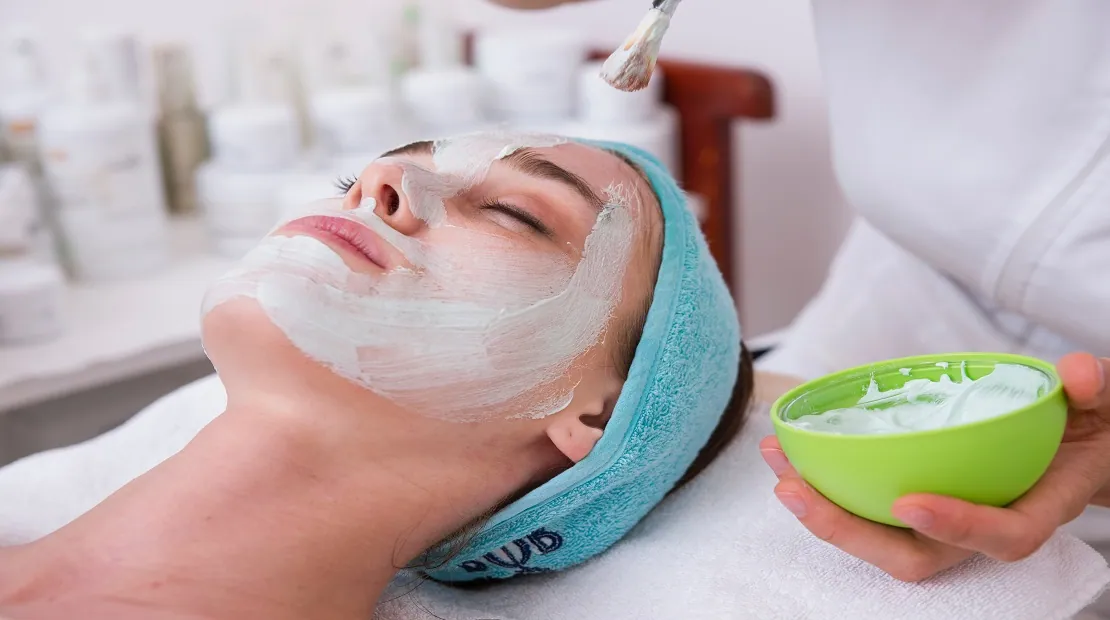
Beauty Certificate Online
eLearning College offers this Beauty Certificate Online for learners who want a structured introduction to beauty therapy and salon practice through flexible online study. The Level 3 Certificate in Beauty Therapy and Salon Management is free to study and is designed for beginners as well as learners who want to refresh their theoretical understanding of professional beauty practice.
If you are comparing study options, browse our online certificate courses or explore the wider beauty therapy course collection. This certificate focuses on workplace hygiene, anatomy and physiology, skin analysis, client and workspace preparation, and makeup application.
Who Is This Beauty Therapy Certificate For?
This course is suitable for learners who want to understand the foundations of beauty therapy before deciding whether to pursue broader study or practical training. It can also support beauty enthusiasts, aspiring salon professionals and people exploring the sector for the first time. Because beauty services can involve hands-on techniques and local professional requirements, online theory study should not be treated as a substitute for any practical competence, insurance, licensing or regulatory requirements that may apply to a particular service or location.
Skincare and Facial Treatment Knowledge
The learning outcomes extend the course’s skincare focus beyond basic skin identification. Learners explore how to plan a skincare treatment, prepare a client, consider procedures used when administering a facial, and examine toning, moisturising and skin-warming approaches. Facial massage and facial masks are also included within the learning outcomes, giving learners a broader theoretical view of facial-care practice.
How Online Study Works
The course is delivered online, allowing learners to work through the materials over the six-month duration. Progress is supported through end-of-unit assessments. There are no entry requirements and the start date is ongoing, making the course accessible to learners beginning from different levels of prior experience.
Certificate or Diploma: Which Route Fits Your Goal?
This Level 3 certificate provides a structured six-month route through foundational beauty therapy and salon-management topics. Learners looking for broader study can compare it with the Diploma in Beauty Therapy and Salon Management, a separate Level 4 programme with a longer course syllabus. Compare the actual modules, level and duration before choosing; the certificate and diploma serve different depths of study.
Start Your Beauty Certificate Online
If you want to build a foundation in salon hygiene, anatomy and physiology, skin analysis, client preparation and makeup, this Beauty Therapy Certificate offers a flexible place to begin. Study online, work through the course units and assessments, and decide after completion whether optional certification or further beauty-therapy study supports your next learning goal.
Learning Outcomes
By completing the course, learners can build understanding across the areas identified in the published learning outcomes, including:
-
Understand the importance of workplace hygiene and healthy salon practices.
-
Recognise measures used to reduce cross-infection and secondary infection.
-
Explore hair structure, hair growth, nail structure and basic anatomy and physiology.
-
Recognise common skin types and understand the role of cleansers, moisturisers and exfoliants.
-
Plan and prepare for skincare treatments and examine facial procedures, toning, moisturising, skin warming, facial massage and masks.
Certification
Free Study and Optional Certification
There is no charge to study this course. After successful completion, you may choose to order an optional certificate if you want formal evidence of your learning. Available options include a CPD Accredited Certificate and a certificate endorsed by the Quality Licence Scheme.
Certification is not included automatically with free study, and you do not need to buy a certificate to complete the course. Certificate options and fees may change, so review the current certificate information and pricing before ordering.
These optional certificates provide evidence of course completion or continuing professional development. They are not regulated qualifications, professional licences or statutory registrations.
COURSE CONTENT
Begin with the standards that help create a professional, hygienic and client-conscious beauty environment. Study why cleanliness and healthy workplace practices matter, how cross-infection can occur, and the preventative measures used to support safer salon practice. This foundation helps learners connect personal conduct, hygiene and the working environment with the quality of client care.
Develop introductory knowledge of anatomy and physiology relevant to beauty therapy. The learning outcomes include the structure of hair and the concept of hair growth, nail structure and function, and the composition and function of blood and lymph. The aim is to build the theoretical awareness needed to understand the body structures encountered in later beauty-therapy topics.
Explore common skin types and the principles behind analysing skin before selecting skincare approaches. Learners examine cleansers, moisturisers and exfoliants, including their structure, function and effects on different skin types. The unit also supports an understanding of treatment planning and the importance of considering the individual client rather than applying a single approach to everyone.
Focus on the preparation that should take place before makeup is applied. This includes organising the work area and preparing the client in a professional manner. The unit reinforces the connection between hygiene, orderly working practices, client comfort and the practical sequence that precedes a beauty treatment or makeup service.
Build an introductory understanding of face-makeup application within the wider context of beauty therapy. Learners bring together earlier knowledge of client preparation, skin awareness and professional working practices when considering makeup application. The emphasis is on understanding a structured approach rather than treating makeup as an isolated activity.
Student Feedback
LESEGO LINDAH LEKALAKALA
very insightful
Clodagh Morris
Amazing
Sonam Lhamo
Good
HOW IT WORKS
Explore engaging course materials designed to build useful knowledge and practical understanding.
Complete each end-of-unit assessment as you progress, studying whenever it suits you.
Finish your course successfully and order an optional certificate or diploma separately.
MAKE YOUR CERTIFICATE COUNT

An optional certificate provides a clear record of your completed learning. Add it to your portfolio or share it whenever relevant.
Completing the course and its assessments reflects motivation, consistency and a genuine commitment to developing your knowledge.
Use your learning as a foundation for further study, workplace development or personal goals. Certification records course completion but does not guarantee employment or professional status.