Diploma in Crisis Management
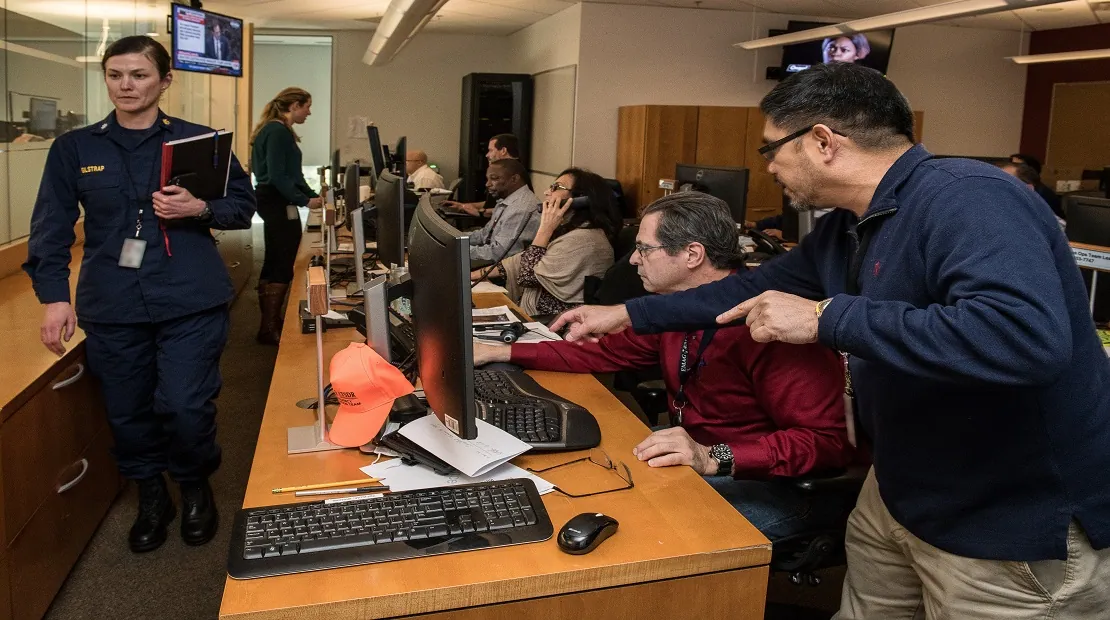
Online Crisis Management Course
Prepare to respond more effectively to organisational disruption with this Online Crisis Management Course from eLearning College. This free-to-study Level 5 diploma provides structured online learning across crisis planning, response, risk, security and emergency preparedness.
The programme contains eight modules and is designed for flexible self-paced study. It is listed with a 12-month course duration, an ongoing start date and no entry requirements. If you want to compare this programme with other advanced study options, browse our online diploma courses.
Course access and learning materials are free. Each module concludes with a multiple-choice assessment and there is no final examination. Optional certificates are available after successful completion for a separate fee; purchasing certification is not required in order to study the course.
What This Crisis Management Course Covers
This Crisis Management Course focuses on how organisations can prepare for, respond to and recover from disruptive events. The syllabus moves from the foundations of crisis management into auditing, response planning, emergency operations, risk, security and organisational preparedness.
Learners who want a shorter, intermediate route can compare the Certificate in Crisis Management, a Level 3 programme with six modules. This Level 5 diploma is the broader option, adding dedicated study of risk management, security management and emergency preparedness.
Who Is This Course Suitable For?
The course has no formal entry requirements and may suit learners who want a deeper understanding of organisational resilience and crisis response. It may be particularly relevant to:
- Managers, supervisors and team leaders;
- HR and people-management professionals;
- Operations and facilities staff;
- Health and safety personnel;
- Event or venue professionals looking for broader crowd and crisis management knowledge;
- Learners preparing for roles that involve risk, continuity, security or emergency planning.
The programme is educational. It does not provide a professional licence, statutory emergency-response authority or guaranteed eligibility for a particular occupation.
How Online Study Works
The course is delivered online and can be completed at your own pace. All study materials are provided digitally, allowing learners to work through the programme around employment, family and other responsibilities.
Each module ends with a multiple-choice assessment. There is no final examination. Learners who want a broader understanding of flexible digital study can also explore our guide to online learning.
Crisis Audits and Response Planning
A crisis audit helps an organisation examine potential vulnerabilities before an emergency occurs. Within this course, learners consider how organisations can identify threats, review existing arrangements and develop a more structured response process.
Response planning also requires clear roles, communication channels and decision-making responsibilities. During a serious disruption, uncertainty can increase quickly, so organisations benefit from having agreed procedures rather than relying entirely on improvised decisions.
Emergency Operations and Preparedness
The syllabus includes establishing an Emergency Operations Centre and understanding facility emergency preparedness. These topics introduce the organisational structures used to coordinate information, responsibilities and resources during significant incidents.
Preparedness is an ongoing management activity. Real emergency arrangements should always reflect the organisation's actual risks, legal duties, local procedures and sector-specific requirements.
Risk and Security in Crisis Management
Crisis management and risk management overlap, but they are not identical. Risk management is concerned with identifying and evaluating uncertainty before it becomes an incident, while crisis management focuses more directly on preparation, response and recovery when serious disruption occurs.
The course therefore includes dedicated study of risk management, physical security and security frameworks. Learners can explore the wider subject through our Risk Management courses if they want to compare other specialist programmes.
Crowd and Crisis Management
Learners searching for a crowd and crisis management course online may find this diploma relevant where their work involves events, venues, public-facing operations or team coordination. The course provides broader organisational crisis-management education rather than specialist crowd-control licensing or operational security training.
Where a role requires mandatory safety, security, crowd-management or emergency-response training, learners should follow the specific requirements set by the employer, regulator or competent authority.
Choose the Right Crisis Management Programme
The Level 5 diploma is designed for learners who want the more extensive of eLearning College's dedicated crisis-management routes. Its eight-module syllabus goes beyond the Level 3 certificate by adding dedicated coverage of risk, security and emergency preparedness.
Choose the Level 3 certificate if you want a shorter intermediate introduction. Choose this Level 5 diploma if you want broader study of crisis auditing, response processes, emergency operations, risk and organisational security.
Start Your Online Crisis Management Course
Study online at your own pace, complete eight focused modules and work through end-of-unit assessments without a final examination. With no entry requirements, free course access and an ongoing start date, the programme offers a flexible way to build structured knowledge of crisis preparation, response, security and organisational resilience.
Learning Outcomes
By the end of the programme, learners should be able to:
- Understand the purpose of crisis management and the role of a crisis-management team;
- Discuss how to conduct a crisis audit and manage incidents;
- Explain how teams can recover from a crisis and apply a structured response process;
- Define risk and risk management and describe recognised risk-management frameworks referenced in the course;
- Determine appropriate responses to identified risks and plan those responses;
- Describe reporting, monitoring and evaluation within a risk-management programme;
- Discuss physical security systems, safeguards and the main components of a security system;
- Explain facility emergency preparedness and the responsibilities involved in emergency planning;
- Understand the objectives of a security framework and the benefits and limitations of technology-heavy security systems.
Certification
Free Study and Optional Certification
There is no charge to study this course. After successful completion, you may choose to order an optional certificate if you want formal evidence of your learning. Available options include a CPD Accredited Certificate and a certificate endorsed by the Quality Licence Scheme.
Certification is not included automatically with free study, and you do not need to buy a certificate to complete the course. Certificate options and fees may change, so review the current certificate information and pricing before ordering.
These optional certificates provide evidence of course completion or continuing professional development. They are not regulated qualifications, professional licences or statutory registrations.
Student Feedback
Garth Thomas Jackson
A wonderful course with good quality resources.
John Houghton
excellent course
HOW IT WORKS
Explore engaging course materials designed to build useful knowledge and practical understanding.
Complete each end-of-unit assessment as you progress, studying whenever it suits you.
Finish your course successfully and order an optional certificate or diploma separately.
MAKE YOUR CERTIFICATE COUNT

An optional certificate provides a clear record of your completed learning. Add it to your portfolio or share it whenever relevant.
Completing the course and its assessments reflects motivation, consistency and a genuine commitment to developing your knowledge.
Use your learning as a foundation for further study, workplace development or personal goals. Certification records course completion but does not guarantee employment or professional status.